
Dead Bird Dream Meaning — Warning Sign or Signal of Transformation?
If you dreamed of a dead bird, the quiet weight of that image likely stayed with you after you woke. Korean dream tradition (해몽) takes this seriously: birds are sacred messengers connecting the heavens and the human world, so a bird's death in a dream is never just scenery — it carries meaning. Here's the part worth knowing, though — a dead bird dream isn't always a bad omen. The specific bird, your emotional response, and what you did with the bird can shift the interpretation entirely, from warning to genuine signal of transformation.
The Inauspicious Reading — Blocked Plans and Unwelcome News
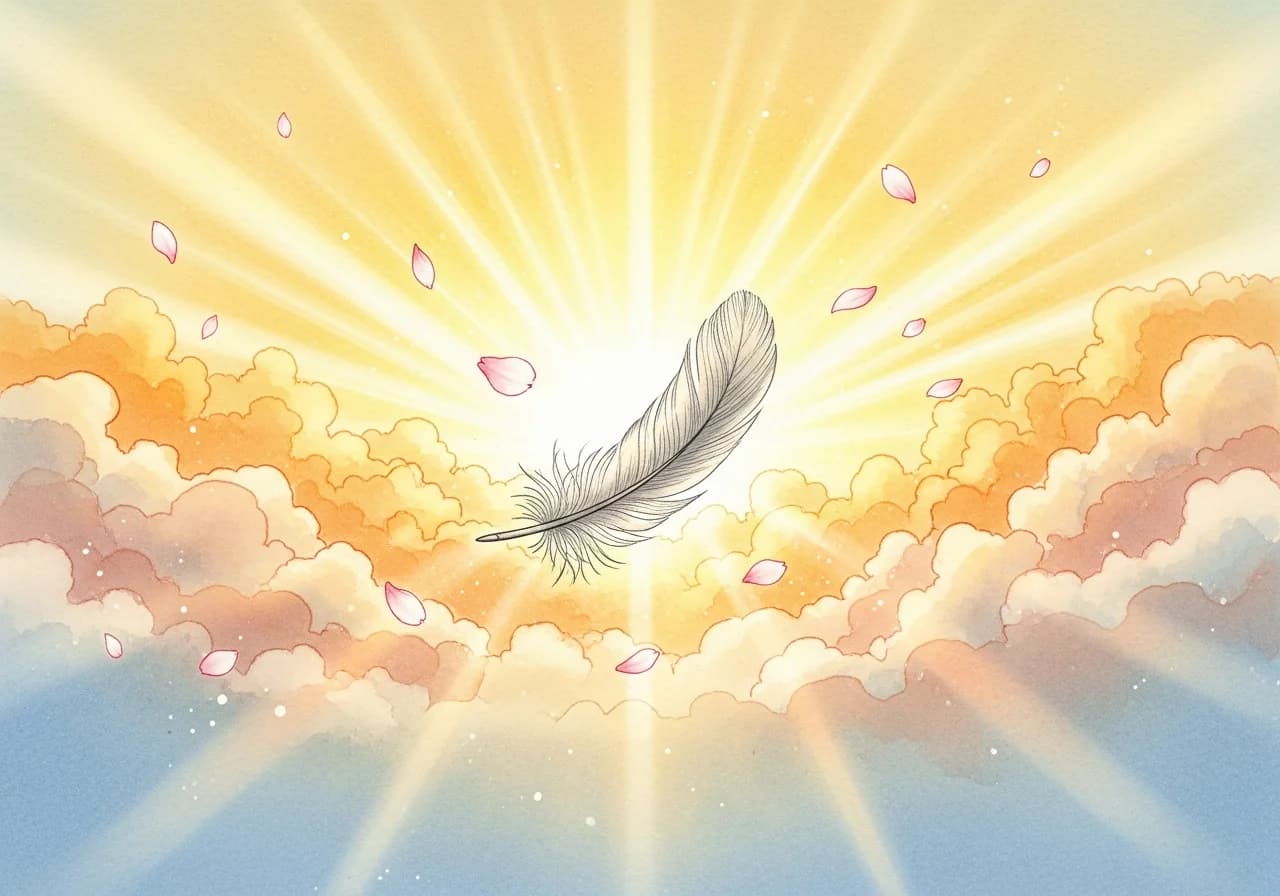
In Korean folk dream interpretation, discovering or gazing at a dead bird is most commonly classified as 흉몽 (an inauspicious sign). Birds represent freedom, aspiration, and creative vitality, so a bird that has died signals that a plan you care about may soon hit a serious wall. Unwelcome news may arrive, or an opportunity you were counting on could fall through.
The intensity escalates when the death is direct and personal. Watching a bird die in front of you — or holding a bird as it dies in your hands — is one of the stronger inauspicious images in Korean dream tradition. It warns of separation from someone close, or the permanent loss of an opportunity you had within reach. If the dream left you feeling helpless or filled with grief, that emotional content is considered part of the message, reflecting anxieties already present in waking life.
A flock of birds falling dead from the sky represents collective misfortune — trouble spreading across a household, a workplace, or a group. A flock of dead crows carries particular weight in tradition, historically associated with warnings of illness or serious accident.
The Auspicious Reading — Endings That Open New Doors
Not every dead bird dream belongs in the inauspicious category. When a dead bird revives in the dream, or when a new bird arrives at the spot where a dead one lay, Korean tradition reads this as a cycle of endings and beginnings — suggesting that a long-standing problem or chronic worry is finally resolving, and a new chapter is opening.
Burying a dead bird with care is one of the most positive dream actions in this context. The ritual act of laying something to rest reflects psychological readiness to release grief, past failures, and things held onto too long. If the emotional tone of the dream was calm or even peaceful, it signals that you have reached a point of genuine acceptance and are ready to move forward. Dream interpreters consistently read this as a sign of inner healing in progress.
Wealth and Health Omens
For wealth and career, a dead bird dream calls for caution rather than bold moves. Contracts, investments, or deals currently in progress may face unexpected delays or fall through. A bird falling from a great height is particularly associated with a sudden reversal of a high-flying situation — a reminder not to overextend when things seem to be going well.
On the health front, classical Korean dream interpretation treated birds dying inside the home, or in one's hands, as warnings about a family member's well-being. If someone in your household has been unwell or has been avoiding a checkup, this dream is a nudge to prioritize their health. This is less about fear and more about paying closer attention to the people nearest to you.
Dream Variations
Bird Falling Dead from the Sky
This variation symbolizes a sudden collapse of something highly anticipated. It warns of an unexpected reversal — a failed promotion, a collapsed deal, or an abrupt career setback. The larger and more impressive the bird, the greater the potential loss, so avoid overconfidence in circumstances that currently seem to be soaring.
Bird Dying in Your Hands
This is one of the more emotionally loaded variations, reflecting an inability to protect something or someone precious. It can foreshadow separation from a close partner or a permanently missed opportunity. If you felt helpless or guilty in the dream, it is a signal to invest more active care into your most important relationships and ongoing projects — before, not after, things slip away.
Finding a Dead Bird
Finding (rather than witnessing) a dead bird reflects the dreamer's awareness of a missed opportunity or an unresolvable situation. It signals that unresolved problems are rising to the surface of consciousness, making it time to confront what has been left unattended. If the bird appeared uninjured and clean, the resolution is expected to come relatively smoothly.
Dead Crow Dream
Crows in Korean tradition are classic birds of ill omen, so a dead crow carries a genuinely dual interpretation. On the positive side, it can mean that an approaching danger or illness has exhausted itself and passed without reaching you. On the negative side, it may signal that a foretold misfortune is now arriving. The emotional atmosphere of the dream is the deciding clue: relieved and light points toward the first; heavy and anxious toward the second.
Dead Magpie Dream
The magpie is Korea's herald of good news and good fortune — the bird that signals something wonderful is on its way. A dead magpie warns that anticipated good news may be delayed or that expected luck may not arrive as hoped. Prepare for an important message or opportunity to come later than expected, or for a joyful announcement to be altered or cancelled.
Dead Dove Dream
The dove symbolizes peace, love, and the purity of close bonds. A dead dove warns that a currently peaceful relationship or stable situation may develop cracks — conflict with a romantic partner, a cooling of intimacy, or a breakdown in communication with someone important. The message is to act proactively: reach out, reconcile, and keep the lines of communication open.
Dead Sparrow Dream
The sparrow represents everyday communication and small everyday joys. A dead sparrow suggests that minor pleasures and small strokes of good luck will temporarily recede. Less a major catastrophe and more a stretch of minor frustrations — communication lulls, small disappointments, a feeling that the usual warmth from those around you is slightly muted.
Burying a Dead Bird in a Dream
Burying a dead bird is a ritual act of closure. It symbolizes psychological readiness to move past grief, past failures, or situations that have run their course. The act of tending to the dead — giving it a proper send-off — reflects inner work that has already been done. Dream interpreters consistently read this as a genuinely positive sign: not just the end of something, but evidence of growth and forward momentum.
Cultural Context
Korean folk tradition has long regarded birds as sacred intermediaries between the celestial realm and the human world. The magpie (까치) is the classic bearer of joyful news; the crow (까마귀) has been an omen of misfortune for centuries — distinctions woven deeply into the cultural imagination and reflected in everything from folk proverbs to classical dream interpretation texts like the Haemong Yoram. Against this backdrop, a bird's death in a dream is not merely a biological event but a symbolic severing of the link between sky and earth — a disruption in the natural order that carries meaning for the dreamer.
Classical Korean dream tradition classified dead bird dreams primarily as inauspicious, while always acknowledging a secondary interpretation: when a bird of ill omen dies, it can also mean that an approaching calamity has spent itself and is passing. This nuanced reading — that death can be its own kind of resolution — is distinctively Korean and stands in contrast to purely negative Western folk interpretations.
During the Joseon dynasty, dreaming of a dead bird was considered reason enough to postpone travel or delay an important move. A bird dying inside the home was specifically associated with warnings about a family member's health, a belief that persisted through living oral tradition well into the modern era.
Western Psychological Perspectives
Western psychology offers a rich set of lenses for reading a dead bird dream that complement rather than contradict the Korean folk interpretation.
From a Freudian standpoint, birds symbolize libidinal energy and the ego ideal — what we aspire to become. A dead bird in this framework suggests that suppressed desires or an unrealized self-ideal has been frustrated within the unconscious. The death is less about mortality and more about psychic blockage: libidinal energy that has been cut off or misdirected. A bird dying in the dreamer's hands is particularly associated with feelings of unconscious frustration — the sense that you cannot control the drives and wishes that matter most to you.
Jungian psychology deepens this. Birds are archetypal symbols of the psyche and spiritual transcendence — they appear in mythology worldwide as souls in flight. A dead bird signals a temporary depletion of inner spiritual energy or creative potential. But crucially, in the Jungian framework death is a symbol of transformation, not annihilation. A dead bird may be the opening move in the individuation process: the death of an old, outgrown self-image that must fall away before a more integrated Self can emerge. That makes a dead bird dream potentially one of the more meaningful dreams a person can have — a sign that real inner change is gathering momentum beneath the surface.
Modern cognitive psychology reads the dream more practically as a stress-response image. Birds symbolize aspiration; their death in a dream mirrors the frustration of feeling unable to reach your goals or actualize your potential in waking life. From a CBT perspective, the dream is the unconscious signaling a need for self-care — rest, recovery, and a reset. If you have been pushing hard toward a goal that keeps receding, this dream may simply be your mind telling you to recharge before continuing.
Across cultures, the dead bird resonates with surprising consistency. Native American traditions treated a dead bird as a message crossing the boundary between the physical and spirit worlds. European folklore held that a bird striking a window and dying foretold household misfortune. Ancient Chinese interpretation read a bird's death as a transmission of heaven's will. The near-universal sense that a dead bird carries a warning reflects a shared human intuition: when the symbol of freedom and aspiration goes still, something real has shifted.
Frequently Asked Questions
A dead bird dream asks you to pay attention — to what you may be losing, what you may be holding onto too long, or what quiet transformation is already underway. Whether it arrives as a warning or a signal of renewal, the dream is doing its job: surfacing what your waking mind has not yet fully processed. Take the message seriously, take the necessary action, and trust that endings, even difficult ones, have a way of making room for what comes next.
Related Dreams

Bird Flying Dream Meaning
Crow Dream Meaning — Warning, Reversal, and the Dual Symbolism of Korea's Black Bird
Magpie Dream Meaning: Korea's Beloved Herald of Good News
Dead Cat Dream Meaning — Transformation, Loss, and Renewal

Dead Fish Dream Meaning: Auspicious Sign or Inauspicious Warning?

Bird Egg Dream Meaning — Seeds of Wealth and New Beginnings