Performing on Stage Dream Meaning — Applause, Anxiety, and What Korean Dream Tradition Says
If you dreamed of performing on stage last night and the crowd erupted in applause, Korean dream tradition has a clear and exciting message for you: your moment of public recognition is approaching. In Korean dream culture (꿈해몽), the stage is not merely a place of entertainment — it is where a person's true worth is revealed before the world. But there is a crucial nuance here: this dream's meaning pivots almost entirely on what happens during the performance, and the difference between a triumphant bow and a moment of humiliation maps directly onto what lies ahead in waking life.
Auspicious Stage Dreams: Applause and Recognition
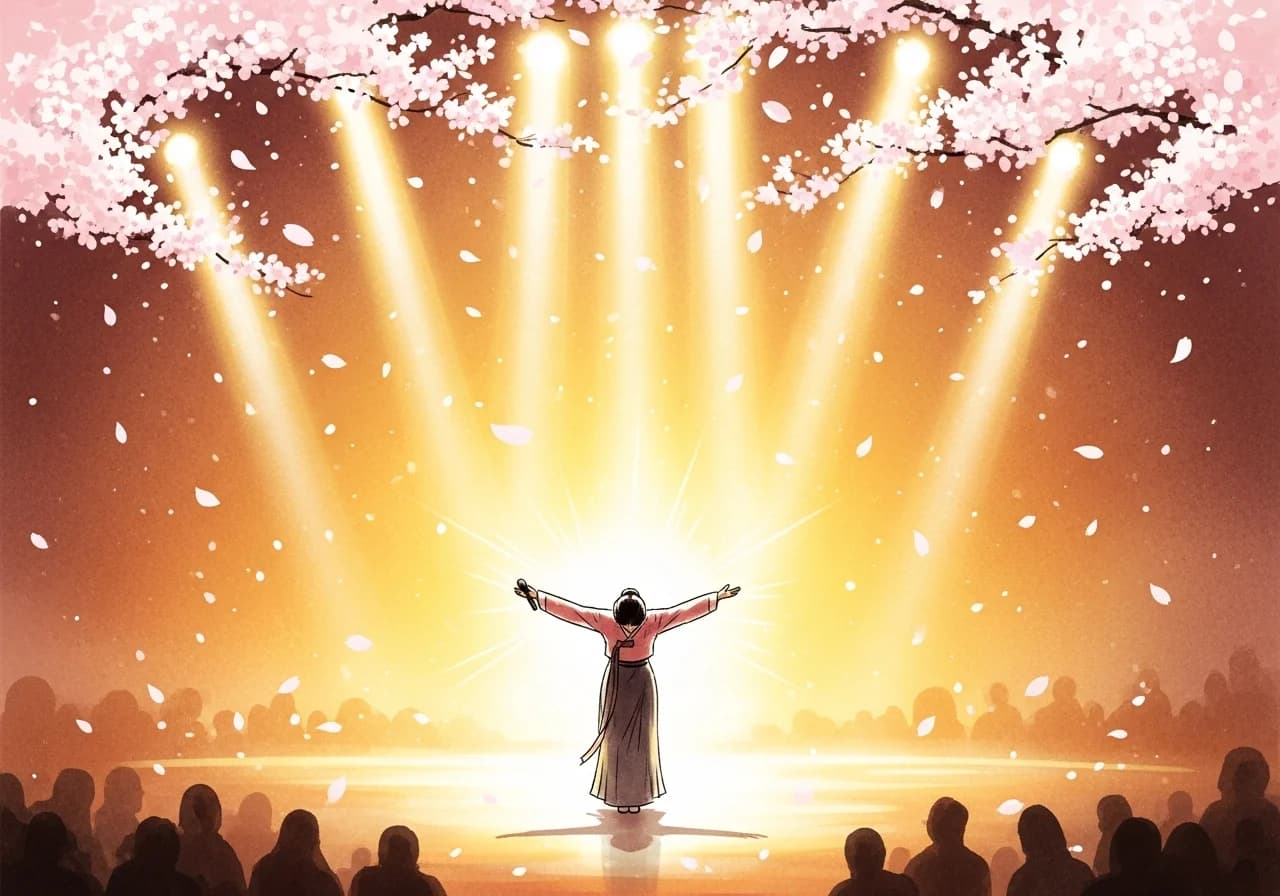
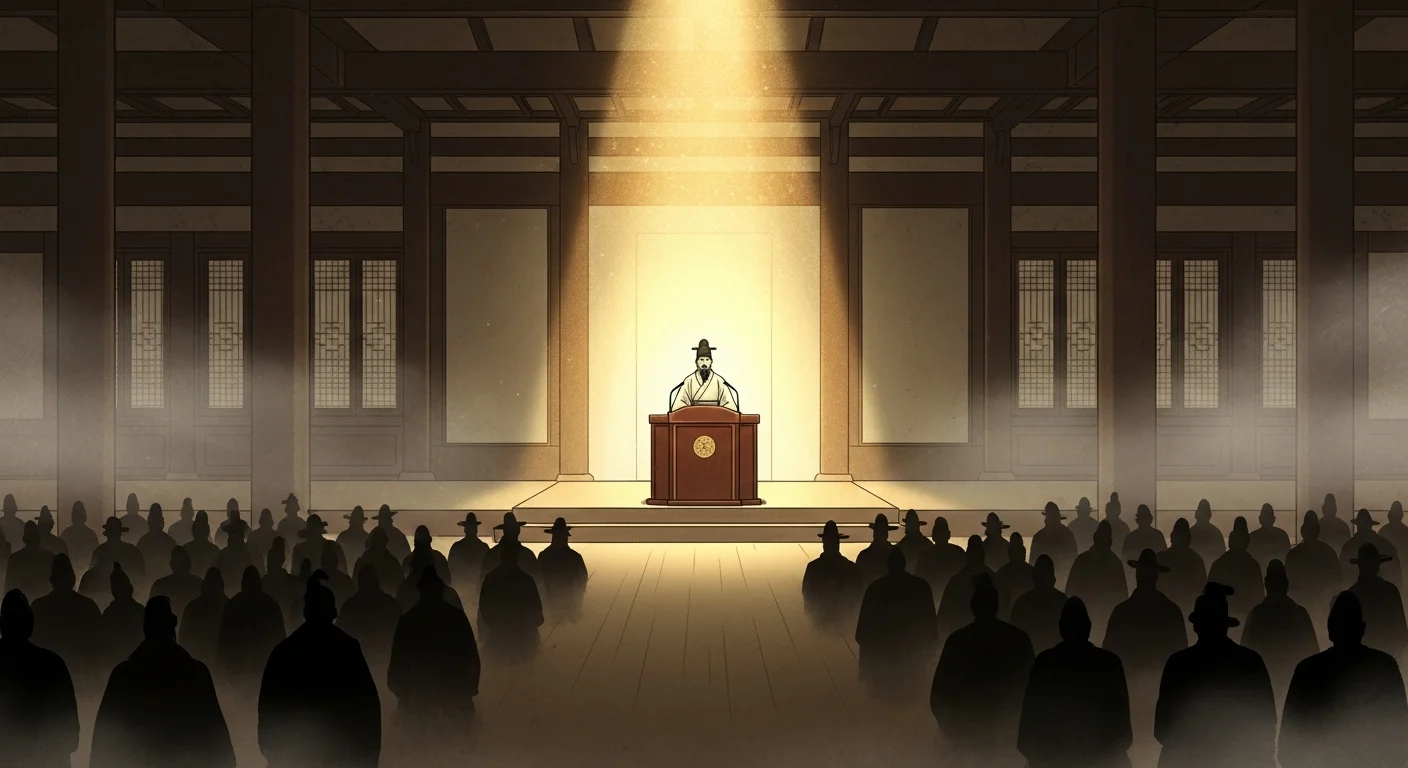
Performing confidently on stage and receiving enthusiastic applause is one of the most powerfully auspicious dream types in Korean dream interpretation. This dream announces that abilities you have been quietly developing are about to receive their public moment. In Korean tradition (꿈해몽), it is strongly linked to 명예운 (honor fortune) — the luck of being seen, valued, and elevated by others. For those in careers, this often foreshadows promotion, commendation, or a pivotal breakthrough. Entrepreneurs may see their business gain wide recognition. A standing ovation in the dream suggests the recognition will extend beyond your immediate circle to a broader audience. Singing or dancing before a large crowd specifically signals an opportunity to assume a leadership role — inspiring and directing others through your vision and energy.
Inauspicious Stage Dreams: Forgetting Lines and Facing Hostility
Stepping onto the stage only to find your voice gone, your lines completely forgotten, or your audience turning hostile is an inauspicious sign in Korean dream tradition. This dream serves as a warning from the subconscious: a critical real-life evaluation is approaching, and you may not be adequately prepared. It can also signal that current words or actions risk being misunderstood, leading to social friction or a loss of trust. Being forcibly removed from the stage mid-performance carries a particularly serious warning — it suggests an involuntary departure from a current role or position may be on the horizon. If this dream recurs, take it as an urgent prompt to reassess your preparation and the foundations of your current responsibilities.
Neutral Stage Dreams: Simply Being Seen
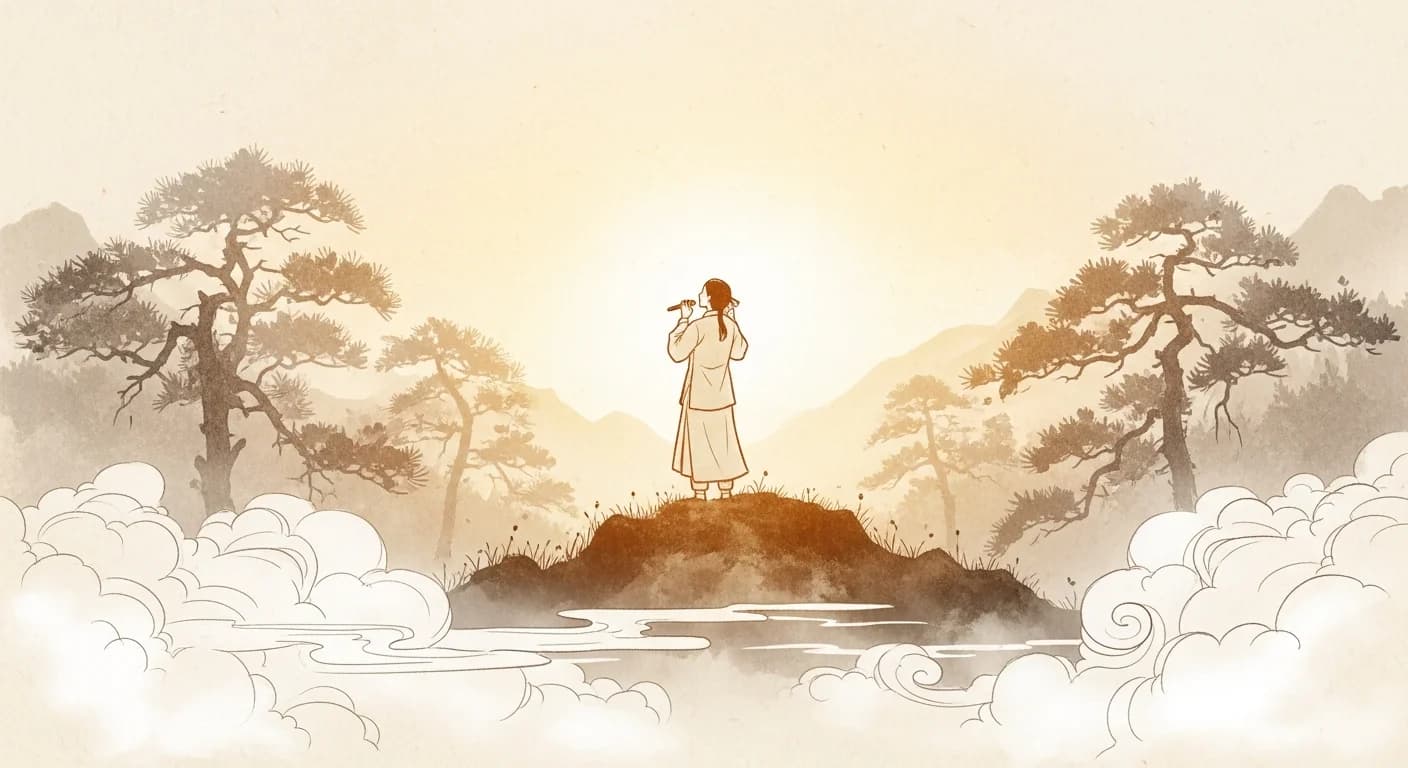
Standing on stage without performing — observing the crowd, taking stock of the space, simply existing in the spotlight — is a neutral dream signal. It reflects a heightened awareness of how others perceive you in waking life, suggesting a period of self-assessment rather than warning of any specific misfortune. In Korean dream interpretation, this type of dream calls for honest reflection: Does your current public role truly represent who you are? Is the position you occupy aligned with your authentic self? The dream is not a warning but an invitation to pause, evaluate, and course-correct if needed.
Fortune and Career: What Stage Dreams Reveal About Success
Stage performance dreams in Korean tradition are more closely tied to honor and reputation (명예운) than to direct financial gain. A successful performance dream typically forecasts social advancement — recognition, promotion, and expanded opportunities — rather than immediate monetary reward. However, performing music on stage to great acclaim, or receiving a lavish bouquet of flowers after a performance, has traditionally been read as also carrying positive financial implications. The grander and more spectacular the stage in your dream, the broader the scope of recognition or opportunity expected in waking life.
Relationships: The Stage Dream's Social Signal
The stage is fundamentally relational — you perform for others, and their response defines the dream's meaning. A warm, enthusiastic audience suggests your relationships are deepening and meaningful new connections are on the way. A cold or empty house reflects feelings of loneliness or disconnection from important people in your life. Group performance dreams — ensemble dancing, a band playing together — are especially auspicious for collaborative endeavors, signaling that teamwork will yield excellent results. The stage dream, at its core, is a mirror of how you feel you are being received by the world around you.
Dream Variations
Singing on Stage Dream Meaning
Singing on stage in a dream reflects a deep desire for authentic self-expression and the courage to let your true voice be heard. When the audience responds with enthusiastic applause, it presages recognition and praise in waking life. Hitting high notes effortlessly or singing with exceptional beauty is considered a highly auspicious sign for both financial gain and rising reputation — a signal that something you have long prepared for is about to shine.
Dancing on Stage Dream Meaning
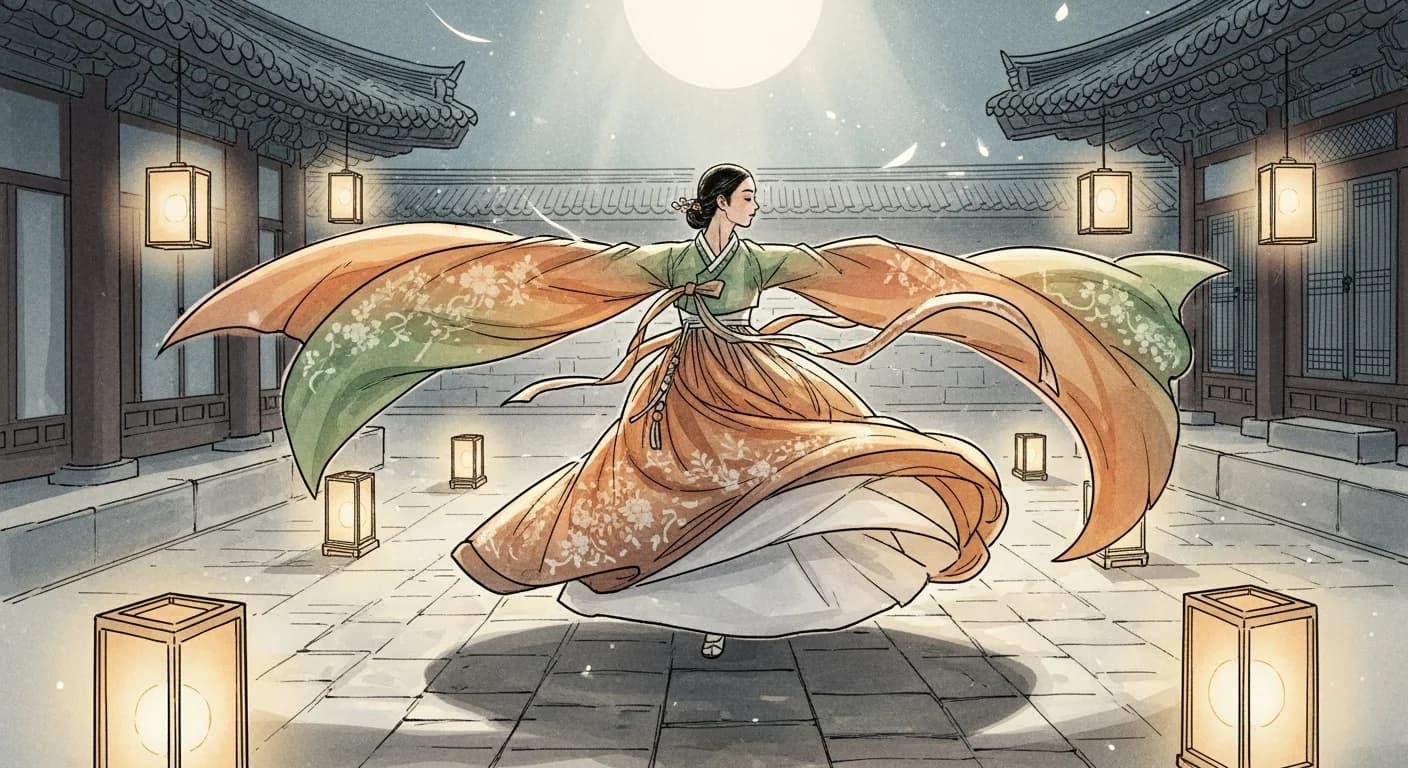
Dancing on stage symbolizes vitality, creative energy, and readiness for action. Group choreography points to collaborative success — achieving goals through teamwork and shared purpose. A solo dance performance signals that an independent endeavor will bring outstanding results. Stumbling or repeatedly making errors while dancing, however, warns of underpreparation leading to a disappointing outcome.
Forgetting Lines on Stage Dream Meaning
Forgetting your lines on stage is one of the most universally recognized anxiety dreams. It externalizes the fear of being caught unprepared at a critical real-life moment — an exam, presentation, interview, or important negotiation. If this dream recurs, your subconscious is urging you to prepare more thoroughly and rebuild your confidence before the decisive moment arrives.
Receiving Applause from Audience Dream Meaning
A crowd rising to applaud your performance is a strongly auspicious dream. It signals that real-world recognition is imminent — efforts you have long invested in are about to bear fruit in a very public way. Rewards, praise, and elevated reputation await, particularly in professional or creative pursuits. A standing ovation amplifies this signal considerably.
Being Booed on Stage Dream Meaning
Being booed or forced off stage by a hostile audience warns that your current words or actions may be generating negative perceptions in your social or professional circle. It is a signal to exercise caution, reconsider how you are projecting yourself, and listen more carefully to others rather than pressing your own agenda.
Standing Alone on Empty Stage Dream Meaning
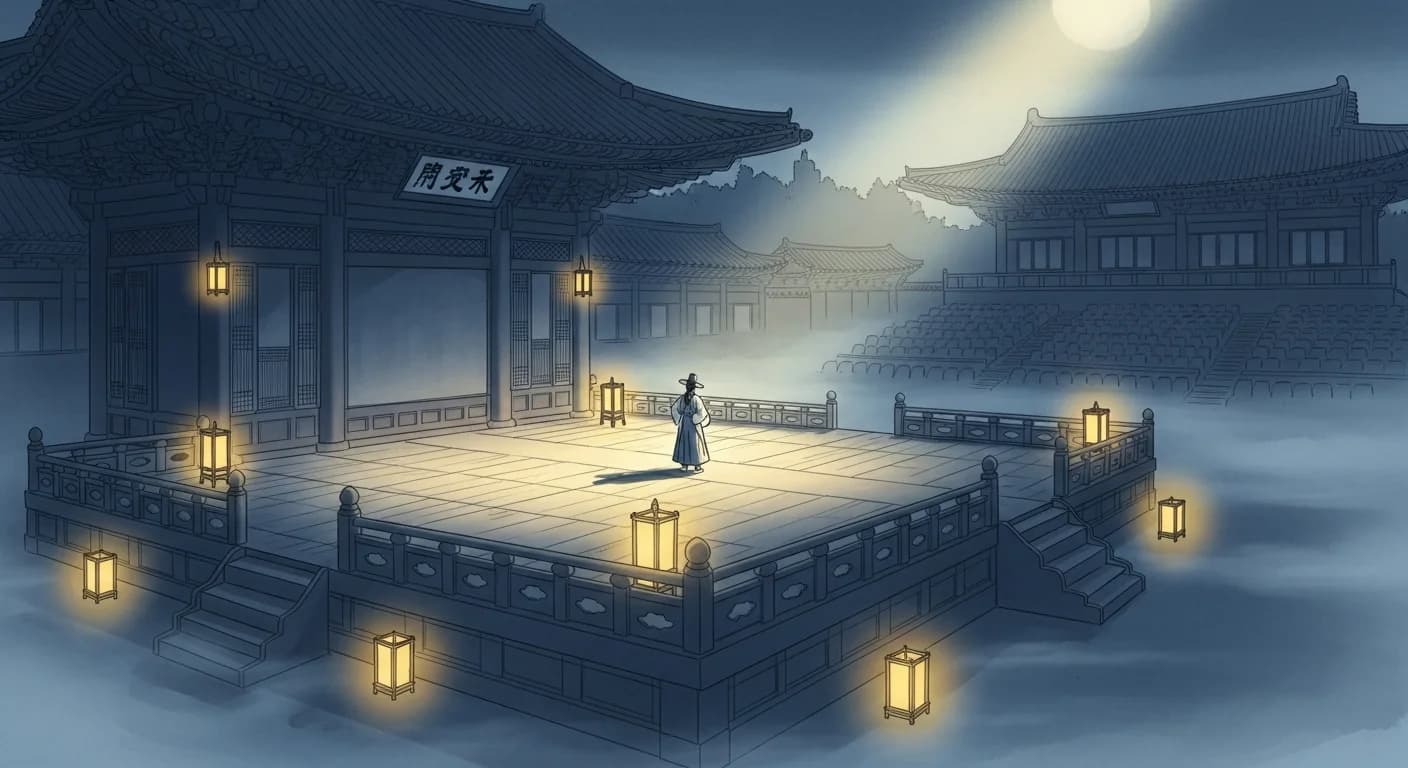
Standing alone on an empty stage with no audience reflects feelings of isolation and invisibility. It mirrors a waking experience of working hard yet feeling unseen, or of shouldering an important challenge entirely alone without support or recognition from others. This dream is a prompt to seek deeper connections and rebuild a sense of community.
Performing Like a K-pop Idol Dream Meaning
Performing as a K-pop idol on a grand, dazzling stage reflects heightened self-esteem and burning ambition. It embodies the desire to showcase your talents on a larger platform and be celebrated for it. For dreamers with genuine ties to performance or entertainment, this can signal an imminent opportunity or turning point toward a broader stage in their career.
Acting in a Theater Play Dream Meaning
Acting in a theater play often mirrors the feeling of playing a role in waking life that is not entirely authentic. Performing well suggests your adaptability and social intelligence are assets right now. Struggling to act or forgetting your lines signals that a current role — at work, in a relationship, or socially — does not align with your true self, and a realignment may be needed.
Playing Instrument on Stage Dream Meaning
Playing an instrument on stage points to a period when your technical skill and intellectual capacity will shine. A receptive audience suggests professional distinction in your field of expertise. However, a broken instrument or off-key playing warns that a plan or project may hit technical snags or require troubleshooting before it can succeed.
Falling on Stage Dream Meaning
Falling or stumbling during a performance warns of potential embarrassment or an unexpected blunder that damages your reputation. If this dream occurs before an important event, presentation, or high-visibility moment, take it as a prompt to double-check every detail and leave nothing to chance.
Cultural Context
In Korean culture, the stage carries meaning far beyond mere entertainment. The tradition of pansori — a profoundly demanding vocal art form in which a single singer (changja), accompanied only by a single drummer, carries the full emotional weight of epic stories through hours of singing and storytelling — was inscribed as a UNESCO Intangible Cultural Heritage of Humanity in 2003. Traditionally, a masterful performer was seen not merely as an entertainer but as a conduit for divine or spiritual energy, capable of moving between the human world and the realm of spirits through the power of voice and art. This cultural inheritance means that dreaming of taking the stage has historically carried connotations extending well beyond personal success — it suggests being chosen or entrusted with a greater mission. In the modern era, the global rise of K-pop has dramatically amplified the symbolic power of the stage in the Korean imagination. The extraordinary success narratives of groups like BTS and BLACKPINK have redefined the stage as a space for self-actualization, global identity assertion, and cultural diplomacy — making the stage dream especially potent for younger Koreans who see performance as both a realistic career aspiration and a fundamental statement of who they are. Within Korean dream interpretation (꿈해몽), stage dreams are strongly linked to 명예운 (honor fortune), 사업운 (business fortune), and 대인관계운 (relationship fortune), with the success or failure of the performance serving as a preview of what lies ahead in waking life.
Western Psychological Perspectives
Western psychology has long regarded the stage performance dream as a window into some of the most fundamental dimensions of human psychology — making it one of the most studied dream archetypes across cultures.
Freud interpreted performing on stage as the safe expression of repressed exhibitionistic desires and the unfulfilled wish for admiration and recognition. He categorized such dreams as wish fulfillments — repressed longings finding safe discharge through the dream state. The audience's reaction in these dreams is particularly telling: it mirrors the dreamer's unconscious self-evaluation and their deep-seated attitude toward external judgment. Those who received insufficient attention or praise in childhood are, according to Freudian theory, especially prone to this dream type.
Jung offered a richer, less reductive reading. In Jungian psychology, the stage is a theater for exploring the tension between the persona — the social mask we wear to navigate the external world — and the authentic Self beneath it. A joyful, fluid performance suggests healthy integration: the face you show the world genuinely reflects who you are. A frightening or painful performance signals a growing misalignment between the social role you currently occupy and your deeper authentic identity, pressing you toward reconciliation. For Jung, the stage dream is essentially the unconscious asking: Are you living as yourself, or as a character you were assigned?
Modern psychological research has produced a fascinating paradox: studies have found that students who dream of performing poorly — forgetting answers, stumbling through presentations — before important exams often score higher than those who do not. The leading interpretation is that the brain uses these dreams as rehearsal simulations, emotionally preparing the dreamer to cope with high-stress scenarios before they occur in reality. A bad stage dream may, paradoxically, be the mind doing its most effective protective work.
Cross-culturally, the performance dream reflects a universal human vulnerability — the terror and exhilaration of being truly seen. In individualistic Western cultures, it tilts toward themes of self-expression, creative freedom, and personal ambition. In collectivist East Asian cultures — particularly Korea — it resonates more strongly with communal expectation and role obligation. The Korean Confucian concept of chemyeon (體面, face) adds additional weight: the social anxiety around public embarrassment amplifies the emotional intensity of inauspicious stage dreams in ways that Western frameworks do not fully capture.
Frequently Asked Questions
Dreaming of performing on stage is one of the most psychologically rich and culturally resonant dream experiences across both Korean and Western traditions. If the crowd applauded, your moment of recognition is near — let the dream energize your preparation and confidence. If the performance went wrong, treat it not as a doom prediction but as an honest signal from your subconscious about where more effort is needed. Either way, the stage dream is asking a deeper question: are you ready to be truly seen? Lean into that question. The answer, and the performance that follows, is entirely yours to shape.